
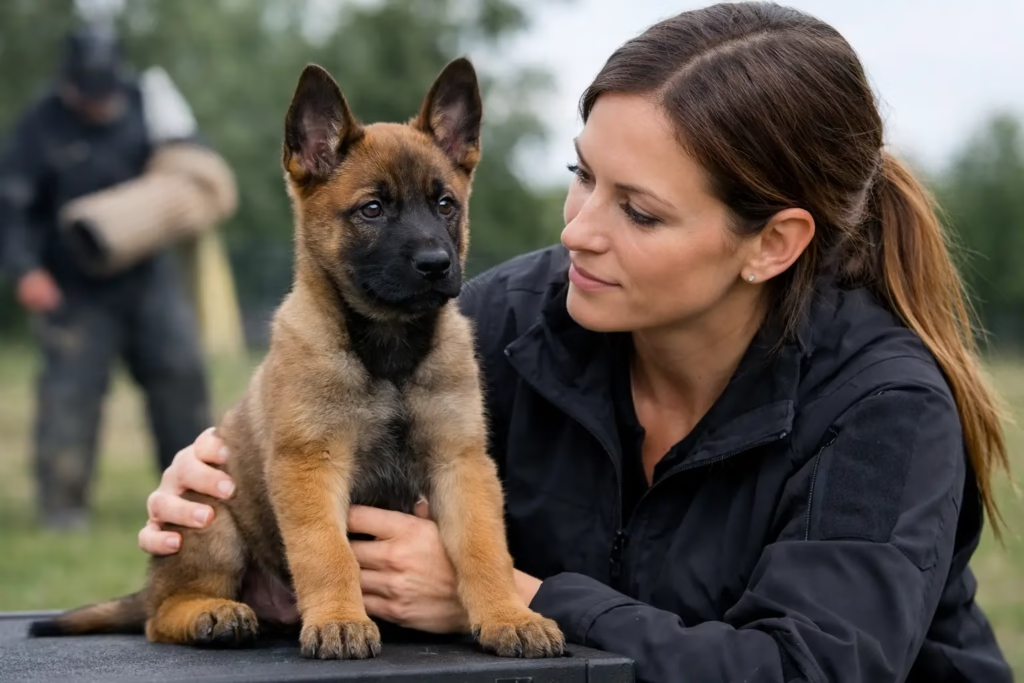
A protection prospect Malinois puppy is not identified by a dramatic bark, a hard stare, or a puppy that charges the front of the kennel. Those traits can be misleading without the foundation that makes a working dog stable, clear-headed, and trainable. The right prospect starts with sound genetics, confident temperament, physical structure, and an honest match between the puppy’s potential and the buyer’s experience, goals, and training plan.
Belgian Malinois are highly intelligent, athletic dogs with strong working ability. When thoughtfully bred and properly developed, they can excel in protection sports, personal protection training, detection, obedience, and other demanding performance work. They are also intense dogs that require daily direction, meaningful exercise, and skilled handling. A responsible breeder should never promise that every puppy will become a finished protection dog. Development, environment, training, health, and the individual dog all matter.
What Makes a Protection Prospect Malinois Puppy?
A legitimate protection prospect should show more than high energy or enthusiasm for a toy. Drive is valuable, but drive without stability can create a dog that is difficult to manage, environmentally sensitive, or unable to think clearly under pressure. The goal is a puppy with the raw material for focused work and a temperament that can mature into reliable adult behavior.
Confidence is one of the most important qualities to evaluate. A confident puppy explores new spaces with curiosity, recovers quickly from an unexpected sound or change in footing, and engages with people without becoming overly dependent or avoidant. Confidence is not the same as pushiness. A puppy that rushes forward without awareness may simply be impulsive, while a balanced prospect can investigate, process information, and reengage.
Clear nerves matter just as much. In practical terms, this means the puppy should be able to experience something unfamiliar, take in the information, and settle rather than remaining worried or reactive. Protection work asks a dog to stay responsive in changing environments. A dog that cannot recover from stress is not helped by more intensity.
A strong prospect should also show willingness to engage. Depending on age and developmental stage, that may appear as interest in a rag, tug, ball, food, or interaction with a person. The specific expression of drive can vary between puppies. What matters is the puppy’s ability to channel interest into cooperative work and to return to the task after a brief interruption.
Pedigree and Parent Dogs Set the Starting Point
No breeder can evaluate a young puppy in isolation. The parents, their documented lineage, health evaluations, structure, and temperament provide essential context. A thoughtfully planned breeding considers much more than titles or appearance. It considers what traits each parent consistently brings forward and whether the pairing supports sound, functional puppies.
For a buyer seeking working or protection potential, ask direct questions about the parent dogs. How do they behave in daily life? Are they social and environmentally stable? What work, sport, obedience, or training have they completed? What health testing has been performed? A responsible breeder should be prepared to discuss both strengths and realistic considerations within the line.
AKC registration and documented pedigree offer valuable accountability, but papers alone do not establish suitability for protection work. They should be part of a broader picture that includes health-focused breeding decisions, stable temperament, and a breeder’s firsthand knowledge of the dogs being bred.
Structure is also relevant. Belgian Malinois need efficient movement, athletic balance, and physical durability to handle an active life. Correct structure does not replace training, but poor structure can limit comfort, soundness, or endurance as the dog matures. Evaluating the parents and the puppies’ overall development helps support a more informed placement decision.
Early Development Matters, but It Is Not a Finished Test
The first weeks of life shape how a puppy approaches the world. Daily handling, clean routines, thoughtful exposure, and appropriate socialization all contribute to early confidence. Puppies benefit from safe opportunities to experience surfaces, household sounds, people, movement, gentle challenges, and positive recovery from novelty.
Early development is not about overwhelming puppies or creating a performance routine for visitors. Too much pressure too soon can be counterproductive. The purpose is to build positive associations, resilience, and trust while allowing each puppy to develop at an age-appropriate pace.
Temperament evaluations can help breeders identify broad tendencies within a litter, such as social engagement, food motivation, environmental confidence, and persistence. However, an evaluation is a snapshot, not a guarantee. Puppies change as they grow, and a serious protection prospect still needs months and years of proper development before anyone can fairly assess adult working ability.
This is why breeder-guided placement matters. A breeder who handles the litter every day has observations that cannot be captured in a short visit. They can help distinguish between a puppy that is simply busy, a puppy that is highly people-focused, and a puppy whose intensity may be better suited to an experienced working home.
The Right Home Is Part of the Prospect
A puppy’s potential is only one side of the equation. The owner’s preparation, consistency, and access to qualified training will strongly influence the outcome. A high-drive Malinois can be rewarding in the right hands, but it is not a dog that thrives on occasional exercise and informal rules.
Buyers should have a practical plan before bringing home a puppy. That plan should include structured obedience, crate training, socialization, daily physical activity, mental work, and a relationship with a qualified trainer who understands working breeds. Personal protection training should be approached carefully and professionally. It is not a do-it-yourself activity, and responsible training prioritizes control, stability, clear obedience, and appropriate legal awareness.
For some buyers, a puppy with moderate drive and strong social stability may be a better fit than the most intense puppy in the litter. An active family may want a dog that can participate in training and sports while settling appropriately in the home. A seasoned sport or working-dog handler may be prepared for greater intensity and a more demanding developmental path. Neither placement is better. The right placement is the one that gives the individual puppy the best chance to succeed.
Questions to Ask Before Reserving a Puppy
A serious breeder welcomes thoughtful questions because careful buyers support better long-term outcomes. Rather than focusing only on color, sex, or which puppy appears most assertive, ask how the breeder evaluates temperament and matches puppies to homes. Ask about the parents’ health evaluations, pedigree, daily behavior, and any working or performance background.
It is also reasonable to ask what early handling and socialization the litter receives, when puppies are ready to leave, what veterinary care is completed, and what guidance is available after placement. Health records, registration information, contracts, and clear communication should be straightforward. Transparency is a meaningful sign that a breeder is invested in the dogs beyond the day of sale.
At Black Rose Malinois, responsible placement begins with understanding what each buyer wants to do with a puppy and what daily life will look like after the puppy goes home. The strongest match is not always the puppy a buyer initially imagined. It is the puppy whose temperament, energy, and potential align with the owner’s ability to provide structure and training.
Building Potential Into a Reliable Adult Dog
Once home, the work is gradual. A young Malinois needs sleep, routine, safe exploration, positive exposure, and carefully managed play. Training should build engagement and clarity rather than constantly testing the puppy’s limits. Foundation obedience, recall, leash skills, neutrality around distractions, and the ability to settle are every bit as valuable as enthusiasm for a toy.
Avoid rushing into protection scenarios or encouraging suspicious behavior in a growing puppy. Immature dogs need time to develop physically and mentally. A qualified professional can help build age-appropriate skills while protecting the dog’s confidence and avoiding unnecessary conflict. The best protection dogs are not chaotic or indiscriminately reactive. They are clear, controlled, socially stable, and responsive to their handler.
Choosing a protection prospect means choosing a long-term commitment to training, management, and responsible ownership. Start with a puppy bred for health, temperament, structure, and working potential, then give that puppy the patient, skilled development required to become the dog it is capable of being.