
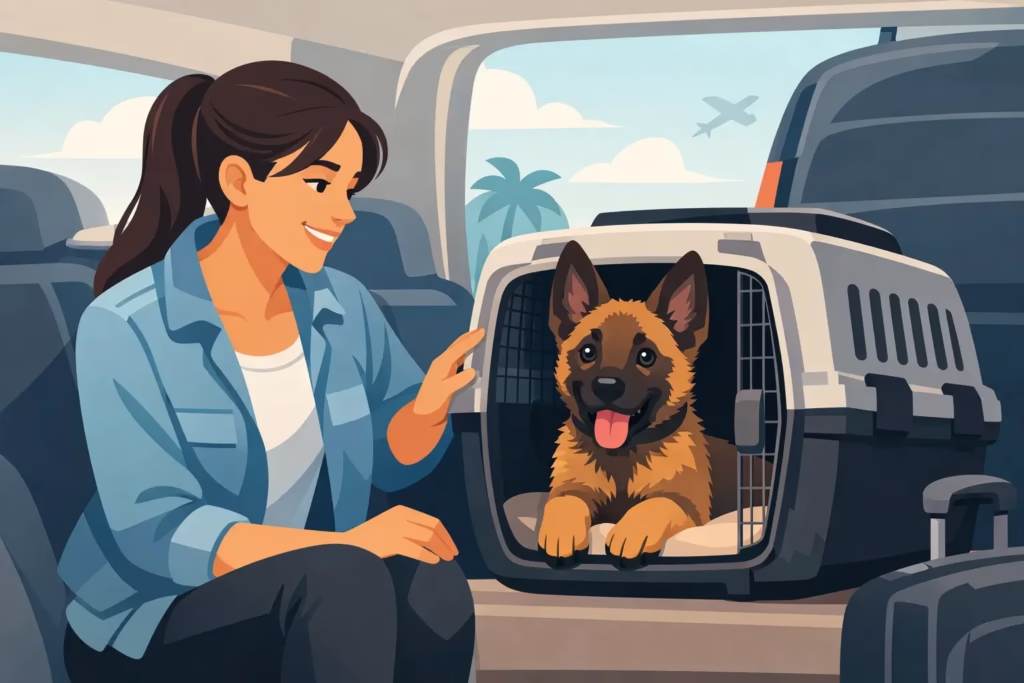
A Belgian Malinois puppy may be small enough to carry, but the preparation behind the trip home should be taken seriously. Belgian Malinois puppy transportation is not simply a matter of booking travel and handing over a crate. It is the first major transition in a young, developing dog’s life, and the goal is to make that transition safe, calm, and appropriate for the puppy’s age, health, and destination.
For buyers who live outside driving distance, transportation can be a practical way to bring home the right puppy from the right breeding program. The best arrangement depends on the puppy, the weather, the distance, airline rules, and the experience of the receiving owner. A responsible breeder helps evaluate those details rather than treating shipping as an afterthought.
Start With the Right Timing
Puppies should not leave for a new home before they are developmentally ready. Responsible placement begins with allowing each puppy adequate time with its litter, mother, and breeder for early socialization, routine handling, and observation of temperament. Transportation plans should support that process, not rush it.
Before any trip is scheduled, the puppy should be eating consistently, progressing normally, and cleared for travel according to veterinary guidance and applicable transportation requirements. Health documentation, vaccination records appropriate for the puppy’s age, registration paperwork, and feeding information should be organized well before departure.
Timing also matters because Belgian Malinois puppies are highly observant. A long day of unfamiliar sounds, smells, people, and movement can be tiring even for a confident puppy. Travel should be planned around the puppy’s needs, with as few unnecessary changes as possible. A direct, well-coordinated route is generally preferable to a complicated itinerary with multiple handoffs or long waits.
Belgian Malinois Puppy Transportation Options
There is no single transportation method that fits every placement. The right choice should be based on distance, season, puppy age, airline availability, and the level of care required along the way.
Pickup From the Breeder
Whenever practical, picking up your puppy directly is often the simplest option. It gives buyers a chance to meet the breeder, ask final questions in person, review records, and begin the relationship with a clear understanding of the puppy’s routine. It also gives the puppy a more controlled transition from breeder to owner.
For a long drive home, plan for a properly secured crate, absorbent bedding, water, cleaning supplies, and scheduled breaks. A young puppy should never be loose in a vehicle. Beyond the safety concern, a crate gives the puppy a predictable, protected place to settle during an unfamiliar experience.
In-Cabin Flight With an Escort
For some long-distance placements, a puppy may travel in an airline cabin with a qualified escort, subject to the airline’s policies, the puppy’s size, route restrictions, and current regulations. This option can reduce the amount of time a young puppy spends separated from a person and allows closer monitoring during the trip.
Even so, air travel involves noise, motion, security procedures, and busy terminals. It is not automatically the best choice for every puppy or every route. The carrier must meet airline specifications, and the schedule should allow enough time to manage check-in and the puppy’s needs without rushing.
Ground Transportation
Professional ground transportation can be a sensible alternative when a flight is not appropriate or when weather conditions make air travel less predictable. The quality of the provider matters greatly. Buyers should expect clear communication about the route, travel time, vehicle conditions, crate setup, rest stops, and who will handle the puppy from start to finish.
A lower price should not be the deciding factor. Transporters who consolidate numerous animals, make excessive transfers, or cannot explain their care procedures may create unnecessary stress and health risk. For a Belgian Malinois puppy, a thoughtful, low-chaos trip is worth prioritizing.
What Safe Travel Preparation Looks Like
A puppy should be introduced to a crate in a positive, age-appropriate way before travel. At Black Rose Malinois, early handling and structured exposure are part of preparing puppies for life beyond the litter, but no early experience eliminates the need for careful travel planning. The crate remains the puppy’s safest place during transport, provided it is appropriately sized, secure, clean, and well ventilated.
The puppy needs room to stand, turn around, and lie down comfortably, but a crate that is excessively large can make the ride less stable. Bedding should be comfortable and absorbent without creating a chewing or entanglement hazard. For longer trips, the travel team should have water available and understand the puppy’s normal feeding schedule.
Avoid making sudden food changes immediately before or during transportation. Stress and dietary changes can both upset a puppy’s stomach. A breeder should provide clear instructions on the food the puppy has been eating, how much to offer, and how to transition if the new owner plans to change diets later.
Weather is another non-negotiable consideration. Belgian Malinois are athletic, resilient dogs, but young puppies are still vulnerable to temperature extremes. Transportation should be delayed or adjusted when excessive heat, severe cold, storms, or airline embargoes make the trip unsafe. A short delay is far better than taking an avoidable risk.
Questions Buyers Should Ask Before Booking
Transportation should be discussed early in the reservation process, especially when a puppy will cross state lines or travel by air. Clear answers protect the puppy and give the new owner confidence about what to expect.
Ask who is responsible for arranging the trip, what travel method is being recommended, and why it suits that particular puppy. Confirm the anticipated travel date, pickup and delivery procedures, documentation included, and the plan if weather or airline issues cause a delay. If a third-party transporter is involved, ask whether the puppy will travel alone or with other animals, how often updates will be provided, and whether there will be any transfers between vehicles or people.
It is also reasonable to ask how the puppy will be identified throughout the process. The receiving owner should know the crate description, flight or route details when applicable, expected arrival window, and the exact person authorized to accept the puppy. Careful communication prevents confusion at a moment when both puppy and owner may already be under stress.
Prepare Your Home Before Arrival
The trip does not end when the puppy reaches your arms. A Belgian Malinois puppy needs a quiet, organized landing place, especially after a long drive or flight. Set up the crate in a low-traffic area, have fresh water ready, and take the puppy directly to an appropriate potty area before introducing the whole household.
Keep the first evening simple. Your puppy does not need a parade of visitors, a pet store trip, or an intense training session after transportation. Give the puppy time to decompress, eat if interested, rest, and begin learning the rhythm of the new home. Gentle handling, predictable routines, and calm supervision build more confidence than overstimulation.
If there are resident dogs, introductions should be managed rather than forced. Use a neutral, controlled setting when possible, and do not assume that a tired puppy is ready for prolonged interaction. The same is true for children. Belgian Malinois puppies are intelligent and engaging, but they need adults to set calm boundaries from the first day.
Schedule a veterinary visit soon after arrival to establish care with your local veterinarian and review the puppy’s records. This is a sensible step for every new puppy, whether the trip was two hours by car or across the country by air. Keep the breeder informed if any concern arises during the first days at home; timely communication supports a better outcome for everyone.
Transportation Is Part of Responsible Placement
The strongest transportation plan is one that serves the puppy, not just the calendar. A reputable breeder considers health status, developmental readiness, weather, travel distance, and the receiving home’s preparation before recommending a method. That same care reflects the larger responsibility of breeding Belgian Malinois with sound health, stable temperament, trainability, and appropriate working potential in mind.
For buyers, the best preparation is to stay flexible, ask direct questions, and make the puppy’s welfare the priority if plans need to change. When the travel day is handled with patience and clear communication, your Belgian Malinois can arrive ready for the steady guidance, training, and active life this remarkable breed deserves.