
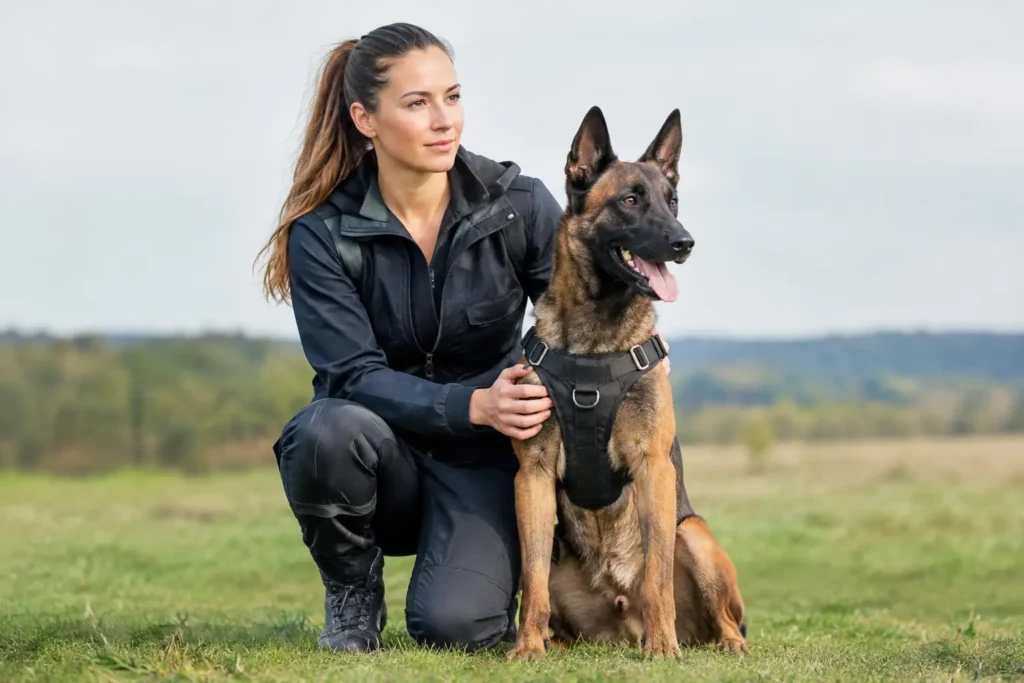
A Belgian Malinois puppy can grow into an exceptional partner, but only when the match is made with clear expectations. When you search for a Belgian Malinois for sale, you are not simply choosing a beautiful, athletic dog. You are choosing a breed developed to work closely with people, think independently, respond quickly, and bring serious energy to daily life.
For the right owner, that combination is deeply rewarding. For an unprepared home, it can be overwhelming. Responsible placement starts with an honest look at the puppy’s background, the breeder’s standards, and the kind of life you can provide once the excitement of bringing home a puppy becomes everyday routine.
What a Belgian Malinois Needs From Its Home
Belgian Malinois are intelligent, alert, athletic dogs with a strong desire for purposeful engagement. A walk around the block and a few toys in the yard are rarely enough for a mature Malinois. They need structured training, physical conditioning, mental work, and clear boundaries from the beginning.
That does not mean every puppy must become a police dog, personal protection dog, or elite sport competitor. Many thrive as active family companions. The difference is that an active family companion still needs a job of some kind: obedience practice, scent work, hiking, agility, tracking, structured play, or another outlet that encourages the dog to use its mind and body productively.
This breed is often best suited to owners who enjoy training and want their dog involved in their life. A Belgian Malinois may excel alongside a runner, a sport-dog handler, a working-dog enthusiast, or an experienced household that values daily structure. A first-time owner can succeed, but should be prepared to work closely with a qualified trainer and commit to a consistent routine.
Belgian Malinois for Sale: Look Beyond the Listing
Photos and puppy videos can show confidence, color, and personality in a moment. They cannot tell you enough about the decisions behind the litter. A responsible breeder should be willing to discuss the parents, their temperaments, their working qualities, their orthopedic testing, and the goals of the pairing.
For a breed as capable and driven as the Belgian Malinois, pedigree is more than a collection of names. Established working bloodlines can offer useful insight into traits such as trainability, environmental confidence, drive, athleticism, and willingness to engage with a handler. Still, pedigree alone is not a promise. The individual puppy, its early rearing, and the guidance it receives in its new home all matter.
Ask direct questions. Are the puppies AKC registered or eligible for AKC registration? Have the parents received OFA hip and elbow evaluations? Can the breeder explain why these two dogs were paired? Are parent records and health information available for review? Clear answers are a sign that the breeder has planned for more than the day puppies go home.
Health testing deserves particular attention. Belgian Malinois are active, powerful dogs, and sound orthopedic structure supports the life they are bred to live. OFA hip and elbow clearances do not eliminate every possible health concern, but they are a meaningful part of a responsible breeding program. They show that a breeder is using documented information when making breeding decisions.
Early Rearing Shapes the Transition Home
A puppy’s first weeks create a foundation, not a finished dog. The breeder’s role is to provide safe, age-appropriate exposure to the sights, sounds, surfaces, handling, and routines puppies will encounter in family life. Puppies raised only in isolation may need more time to adjust to ordinary household activity.
Home-based rearing can be especially valuable when it includes thoughtful daily contact. Exposure to children, normal home sounds, different people, gentle handling, and changing environments can help puppies develop adaptability before they leave for their permanent homes. The goal is not to create a puppy that has seen everything. It is to raise one that can recover, learn, and look to people for guidance.
At Vom Momarina, puppies are raised alongside family activity and four children, with deliberate attention to early human interaction and household exposure. This type of socialization supports the kennel’s purpose-bred approach: preserving the Belgian Malinois’ working capability while helping puppies develop the stability needed to live successfully in a home.
New owners continue that work from the first day. Socialization should be calm, intentional, and positive. Rather than introducing a young puppy to every crowded setting at once, focus on controlled experiences that build confidence. A puppy who learns to settle on a mat, walk through a hardware store calmly, ride safely in the car, and engage with its handler in new places is gaining skills that matter for life.
Choosing the Right Puppy for Your Goals
Not every Belgian Malinois puppy in a litter will have the same strengths. Some may show strong food motivation and an easy willingness to work with people. Others may be more independent, environmentally bold, physically intense, or naturally suited to a particular sport or working direction. Those differences are not good or bad in isolation. They help determine the best placement.
Be specific about what you want to do with your dog. A buyer interested in a protection prospect should discuss prior dog experience, training resources, management expectations, and the reality that protection work requires professional instruction. A sport home may prioritize drive, engagement, athleticism, and recovery. An active family may value a puppy with strong social confidence and an off-switch that can be developed through thoughtful training.
A reputable breeder should not promise that every puppy will fit every purpose. Honest guidance may include a recommendation that a particular puppy is better suited to a sport home than a household with very young children, or better suited to an active companion role than advanced protection training. That is not a limitation. It is responsible matchmaking.
Prepare Before Your Puppy Arrives
The most successful puppy transitions begin before pickup or delivery. Decide where the puppy will sleep, how you will manage potty breaks, what rules will apply around furniture and doors, and who will handle daily training. Consistency among family members prevents confusion for a puppy that is learning quickly every hour it is awake.
A crate, secure exercise area, properly fitted collar or harness, long line, chew options, and high-value training rewards are useful basics. More important is your plan for time. Young puppies need frequent supervision, short training sessions, rest, and appropriate outlets for curiosity. They do not need exhausting exercise or constant stimulation.
Start with engagement, name recognition, recall foundations, leash skills, cooperative handling, and calm settling. Keep sessions short and successful. Belgian Malinois often learn fast, which means they can learn unwanted habits fast as well. Reward the behavior you want before the puppy practices jumping, grabbing clothing, ignoring recall, or treating every moving object as an invitation to chase.
Professional training support is often a wise investment, especially for owners new to the breed. Look for a trainer who understands working breeds and can teach you how to build clarity without suppressing the dog’s confidence or desire to work. The right training relationship should help the entire household communicate more effectively with the dog.
Transport Should Be Planned With the Same Care
A well-bred puppy may be placed with the right family hundreds of miles from the breeder. Distance should not require buyers to compromise on communication or safety. Ask how pickup, flight-nanny delivery, or ground transportation is coordinated, who handles the puppy during travel, and how timing is arranged around the puppy’s age and welfare.
In-person pickup gives families a chance to meet the breeder, see where puppies were raised, and ask final questions face-to-face. For buyers outside Wisconsin, a flight nanny or carefully vetted, USDA-licensed ground transportation option can make placement possible while keeping the puppy’s journey organized and appropriately supervised. Reliable transport is not an afterthought. It is part of a responsible handoff.
A Breeder Relationship Should Continue After Placement
The day a puppy goes home is the beginning of the owner’s work, but it should not be the end of breeder support. Questions will come up about feeding, crate training, behavior, growth, exercise, and the normal stages of adolescence. A breeder who knows the lines and the early development of the litter can be a valuable source of perspective.
Support also reinforces accountability. Buyers should receive clear information about registration, health assurances, feeding guidance, and the expectations attached to owning a purpose-bred Belgian Malinois. In return, owners should be ready to provide structure, training, veterinary care, and a permanent commitment to the dog they bring home.
The best time to choose a Belgian Malinois is before you feel rushed by an available puppy. Take the time to verify credentials, ask hard questions, assess your routine honestly, and choose a breeder who cares where each puppy goes. A well-matched Malinois will ask much of you, then give that effort back in loyalty, intelligence, and a partnership built for years of purposeful life together.